
SEO vs. Paid Ads: Which Delivers Better ROI?
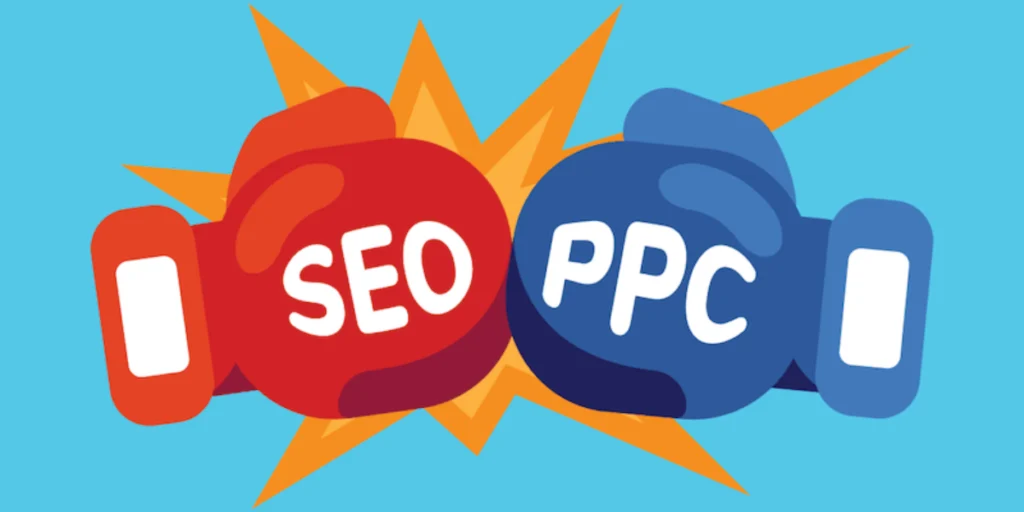
In today’s digital world, every business faces the same question:
Should we invest in SEO or Paid Ads?
Both strategies aim to drive traffic, leads, and conversions — but they do it in very different ways. One focuses on long-term organic growth, while the other delivers quick results for a price.
At LanceGenie, we specialize in helping businesses choose the right mix of SEO and advertising to maximize returns. Let’s break down the pros, cons, and ROI of each so you can make the smartest choice for your business in 2025.
What Is SEO (Search Engine Optimization)?
SEO is the process of improving your website’s visibility on search engines like Google, organically.
When someone searches for a service or product you offer, SEO helps your website appear at the top without paying per click.
Key Benefits of SEO
- Long-Term ROI: Once ranked, you get consistent traffic without paying for each visitor.
- Builds Trust & Authority: People trust organic results more than ads.
- Cost-Effective Over Time: Initial investment, but lower ongoing costs.
- Sustainable Growth: Rankings can keep generating leads for years.
Limitations
- SEO takes time, usually 3–6 months to see strong results.
- Requires ongoing updates, content creation, and technical optimization.
- High competition can make ranking difficult without expert strategy.
What Are Paid Ads (PPC)?
Paid Advertising, often called PPC (Pay-Per-Click), lets you instantly show up in front of your audience, but you pay each time someone clicks your ad.
Platforms include Google Ads, Meta Ads (Facebook/Instagram), and LinkedIn Ads.
Key Benefits of Paid Ads
- Instant Visibility: Appear on top of search results immediately.
- Precise Targeting: Choose your audience by demographics, location, or interests.
- Trackable ROI: You can measure every click, impression, and conversion.
- Great for Launches & Short-Term Campaigns.
Limitations
- Costly: Each click costs money , sometimes several dollars.
- Temporary: Once you stop paying, your visibility disappears.
- Ad Fatigue: Audiences get used to ads and ignore them over time.
| Factor | SEO | Paid Ads |
|---|---|---|
| Time to See Results | 3–6 months | Immediate |
| Cost Structure | Fixed (content, optimization) | Pay per click |
| Long-Term ROI | High | Medium |
| Scalability | Grows with content | Scales with budget |
| Trust Factor | High (organic) | Lower (sponsored) |
| Control | Limited by algorithms | Full control via targeting |
In Simple Terms
- Seo builds equity
- Paid Ads buy exposure
The best ROI often comes from a balanced mix of both, SEO for sustainable growth, and ads for instant leads.
When to Choose SEO
- You want long-term visibility and authority.
- You’re building a brand presence and want steady, free traffic.
- You’re ready to invest time and content into growth.
Example: A digital agency or SaaS company benefits more from SEO, consistent blog traffic brings ongoing leads.
When to Choose Paid Ads
- You need immediate leads or sales.
- You’re testing a new product or market.
- You want to retarget visitors who left your site without converting.
Example: An e-commerce store running a holiday campaign or a startup launching a new app.
Final Thoughts
In the SEO vs. Paid Ads debate, there’s no one-size-fits-all answer.
SEO delivers sustainable, long-term ROI.
Paid Ads give you instant visibility and control.
The key is to understand your goals, budget, and timeline, then craft a digital strategy that combines the best of both worlds.
LanceGenie can help you create a data-driven plan that maximizes visibility, reduces costs, and grows your business smarter.
Pingback: Why Strong Branding Matters More Than Ever in the Digital Era - Duplicate - [#1438] - LANCEGENIE